
November 3, 2025 · The Kori Sire Team
Best Time to Visit North Lombok: A Season-by-Season Guide
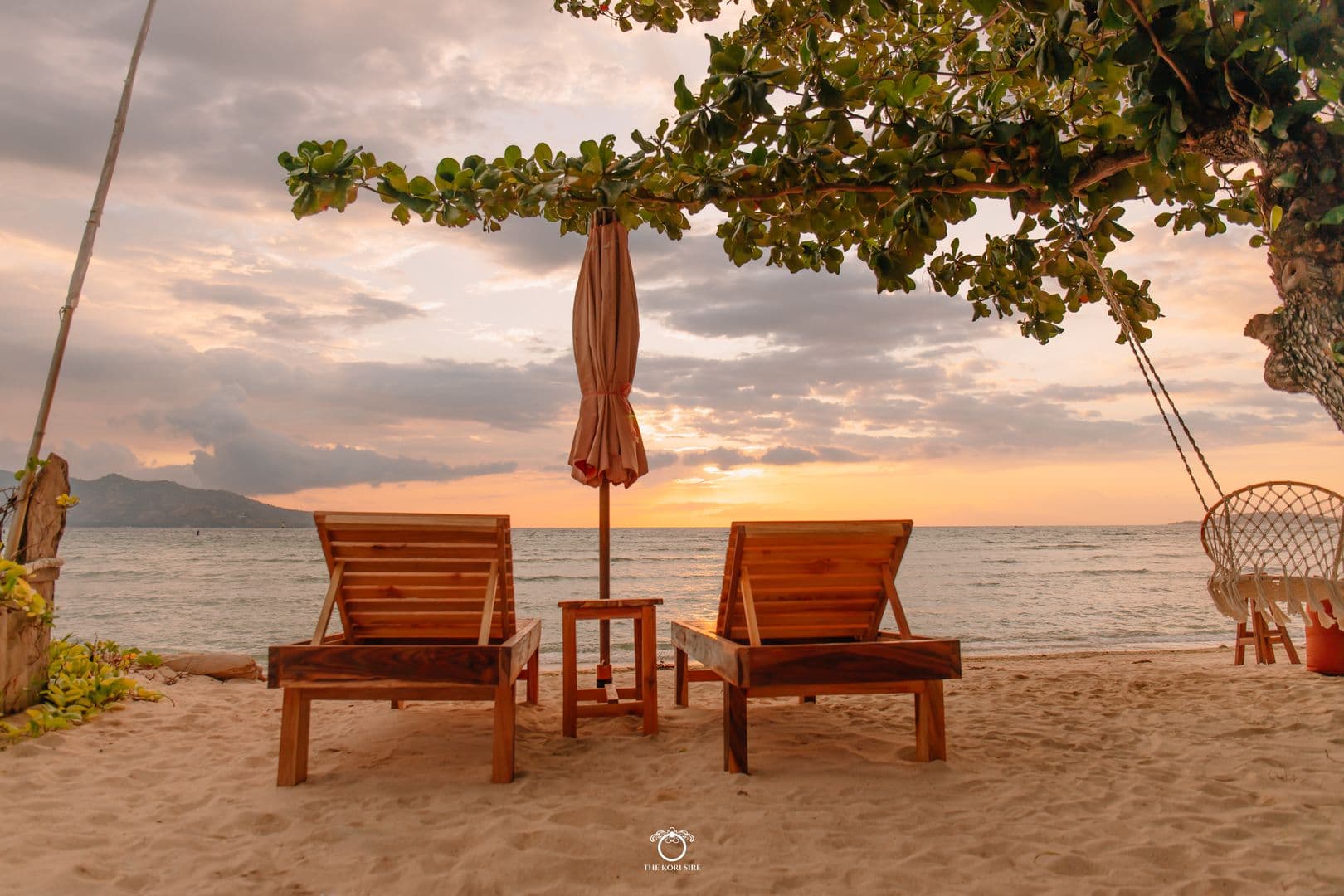
North Lombok doesn't have the extremes some travelers expect from Indonesia — no monsoon season that shuts everything down — but the difference between the dry and wet months is still worth planning around.
April to October: dry season. This is the most reliable stretch of the year, with low rainfall, calmer seas, and the best conditions for boat crossings to the Gili Islands. July and August are the busiest and driest months, coinciding with Northern Hemisphere summer holidays, so expect higher rates and more competition for boat seats and restaurant tables. If you want the dry-season weather without the peak crowds, June and September are the better bet.
November to March: wet season. Rain tends to arrive in short, heavy bursts rather than settling in for the whole day, so it rarely ruins a trip outright — mornings are often clear even when afternoons bring a downpour. Seas can be rougher, which occasionally delays or cancels Gili Islands boat crossings, so build in a flexible day if island-hopping is part of your plan. In exchange, you'll find lower rates and a noticeably quieter beach.
Shoulder months: April and October. These sit right at the edge of the dry season and tend to offer the best combination of good weather and thinner crowds. If your dates are flexible, this is when we'd point most guests.
Around local and national holidays. Indonesian school holidays and major national holidays can bring a short spike in domestic travel, particularly around Idul Fitri. It's worth checking the calendar before booking if you're aiming for the quietest possible stay.
Our take. For swimming, boat trips, and beach days, dry season is the safer choice. For a quieter, slower visit and better rates — and you don't mind the occasional afternoon rain — the wet season has real advantages. Either way, Sire Beach's appeal isn't really weather-dependent; it's a slow corner of the coast in any month.